
Visiting a new city with kids can feel overwhelming when every attraction seems designed for adults or requires hours of standing in line. The good news is that food and playful exploration offer one of the easiest ways to help children connect with an unfamiliar place. Instead of rushing through a checklist of landmarks, families can turn meals, markets, and neighborhood walks into hands-on learning experiences. This approach builds curiosity, confidence, and lasting memories without demanding a huge budget or complicated planning.
Turn Local Cuisine Into a Learning Adventure
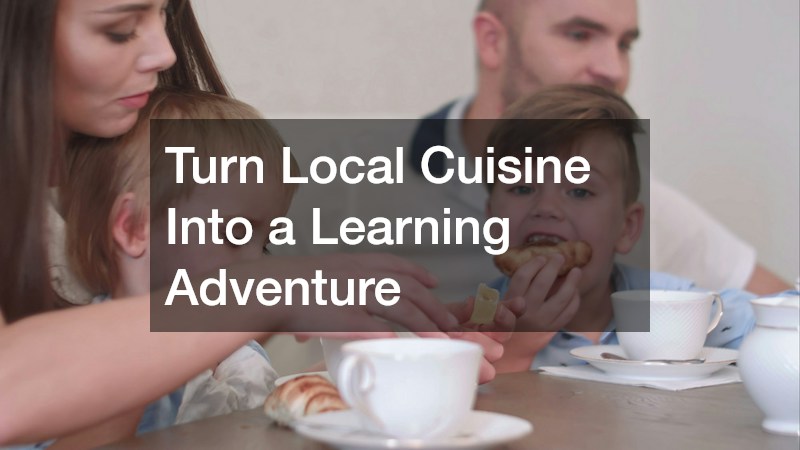
Food is one of the most accessible ways for kids to understand a new culture, since taste, smell, and presentation all offer clues about a place’s history and traditions. Encourage children to try one unfamiliar dish per meal instead of defaulting to familiar options, framing it as a friendly challenge rather than a demand. Talk with them about where ingredients come from and why certain dishes are popular in that region, which turns eating into a mini geography lesson.
When researching where to eat, look beyond generic tourist strips and ask locals, hotel staff, or online community groups for recommendations that reflect everyday life in the city. Many families find that some of the best restaurants for introducing kids to new cuisine are smaller, family-run spots where owners are happy to explain dishes and even let curious children peek into the kitchen. These experiences often leave a stronger impression than a fancy meal at a well-known chain restaurant ever could.
- Let kids choose one dish each day from a menu written in the local language, using pictures or translation apps as clues.
- Ask servers simple questions together, like what makes a dish special to the region.
- Keep a small food journal where kids draw or write about what they tried.
- Balance new foods with one comfort item so mealtime stays low-stress.
Explore Markets and Street Food Stalls Together
Open-air markets and street food stalls give kids a sensory-rich introduction to a city that restaurants alone cannot match. Walking past stalls piled with unfamiliar fruits, spices, and snacks invites natural curiosity, and children often become more willing to try new things when they see vendors preparing food right in front of them. This kind of hands-on exposure also teaches basic economics, like comparing prices or understanding how bargaining works in certain cultures.
Markets also offer a slower pace than crowded restaurants, giving kids room to ask questions and explore at their own speed. Parents can turn a simple visit into a scavenger hunt by asking children to spot a certain number of unfamiliar fruits or ingredients. This kind of guided exploration keeps young attention spans engaged while still delivering genuine cultural insight.
- Give each child a small budget to choose one snack on their own.
- Point out tools or cooking methods that differ from what they see at home.
- Encourage polite interaction with vendors, even a simple thank you in the local language.
- Use markets as a natural break between sightseeing stops.
Book a Family Friendly Food Tour or Cooking Class
Guided food experiences designed for families can simplify exploration for parents who feel unsure where to start. Many cities now offer food tours or short cooking classes specifically tailored to kids, often shortened in length and adjusted for milder flavors. These structured activities give children a sense of accomplishment, especially when they get to prepare or plate something themselves.
Booking ahead is usually worthwhile, since family-friendly slots can fill quickly during peak travel seasons. Reading reviews from other parents helps set realistic expectations about pacing, spice levels, and how hands-on the activity truly is. A well-chosen class or tour can anchor an entire day of exploration around a single, memorable food experience.
- Look for tours capped at a smaller group size for easier supervision.
- Check whether allergies or picky eating habits can be accommodated in advance.
- Choose morning sessions when kids tend to have more energy and patience.
Turn Neighborhood Walks Into Mini Scavenger Hunts
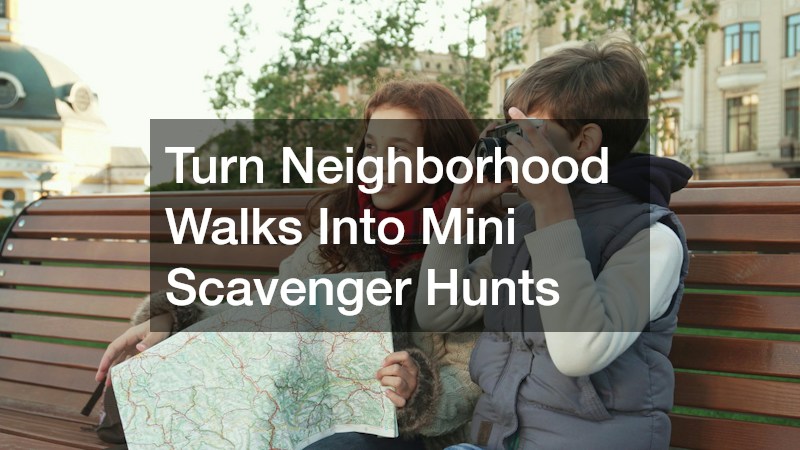
Walking through a new neighborhood becomes far more engaging for kids when it includes a purpose beyond simply getting from point A to point B. Creating a simple scavenger hunt list, such as finding a specific colored door, a bakery sign, or a particular type of tree, keeps children observant and invested in their surroundings. This approach naturally slows down the pace of exploration, which often leads to unexpected discoveries like a small park or a quiet plaza.
Parents can tie these walks back to food by including stops for a quick snack or drink along the route, turning the outing into a rewarding loop rather than a straight march. Letting kids lead occasionally, even for just a block or two, also builds their confidence and sense of ownership over the trip. These small moments of independence often become some of the most memorable parts of a family vacation.
- Print or hand-draw a simple map with a few marked stops.
- Include one food-related item on every scavenger hunt list.
- Rotate who gets to pick the next direction at each intersection.
Use Everyday Meals to Teach Practical Travel Skills
Mealtimes abroad offer a low-pressure setting to teach kids practical skills they will use throughout their lives. Ordering their own food, calculating a simple tip, or handling unfamiliar currency at a counter builds real confidence in a way that sightseeing alone rarely does. These small responsibilities also help children feel like active participants in the trip rather than passive observers.
Involving kids in choosing where to eat, even occasionally, teaches decision-making and compromise, especially when siblings disagree on preferences. Parents can set a simple rule, like taking turns picking the meal spot each day, to keep things fair and predictable. Over time, these small routines make future travel feel far less intimidating for the whole family.
- Have kids practice a few local phrases before ordering.
- Let older children handle small cash transactions when appropriate.
- Rotate meal-choosing duties fairly among siblings.
Exploring a new city through food and hands-on fun turns travel into an active, memorable lesson rather than a passive sightseeing checklist. Small choices, like trying a new dish, wandering a local market, or letting a child lead the way for one block, add up to a richer, more connected family trip. Start planning your next visit with a few of these ideas in mind, and watch how quickly curiosity turns into confidence for your kids.
