
Life includes a constant mix of major milestones, personal decisions, celebrations, and everyday responsibilities. Planning for these different areas can make busy periods easier to manage while creating more opportunities to enjoy meaningful experiences. A wedding, career achievement, family gathering, health decision, or change in household routines may each require different forms of preparation, but thoughtful organization can make all of them more manageable.
Celebrations require attention to guests, locations, entertainment, and logistics, while ordinary responsibilities still need time and organization. By breaking larger plans into manageable steps, establishing realistic timelines, and considering both practical and personal priorities, individuals and families can approach important moments with greater preparation while continuing to manage the responsibilities that make up everyday life.
Make Thoughtful Decisions About Valuable Personal Items

Personal belongings can carry both financial and emotional significance, particularly when they have been passed down through a family or connected to an important period in someone’s life. When people have jewelry, precious metals, or other valuable items they no longer use, gold buyers may be one option to consider when evaluating what to do with those belongings.
Before making a decision, it helps to separate sentimental value from financial considerations. An item may have substantial meaning to a family even if its monetary value is limited, while another item may be suitable for sale without creating a personal loss. Taking time to identify the difference can prevent rushed decisions.
Consider these steps:
- Separate sentimental belongings from items being considered for sale.
- Gather receipts, appraisals, certificates, or other available documentation.
- Examine the condition of each item before making decisions.
- Compare available options instead of accepting the first opportunity presented.
- Consider whether an item could be passed to another family member.
Thoughtful evaluation is especially important when dealing with inherited possessions. Families can discuss which pieces should remain in the family, which might be repurposed, and which could be sold. Creating a simple inventory can also make future decisions easier.
Preserve Meaningful Pieces Before Replacing Them
Jewelry can become closely associated with weddings, anniversaries, graduations, family traditions, and other milestones. When a meaningful piece becomes damaged or worn, jewelry repair can provide an opportunity to restore the item instead of immediately replacing it.
The decision to repair should consider both the condition of the piece and its importance to the owner. A relatively small issue may become more complicated if it is ignored, particularly when an item is worn regularly. Having a valuable or sentimental piece evaluated can help determine what type of work may be appropriate.
Before arranging a repair, consider:
- What part of the item is damaged or worn?
- Does the piece have sentimental or family significance?
- Will the item continue to be worn regularly?
- Are there details or materials that need special handling?
- How much time is available before an important occasion?
People may also want to keep documentation related to particularly meaningful pieces. Photographs, receipts, appraisals, or family records can provide useful information later. Taking care of significant belongings as part of broader life planning can help preserve items that represent important memories.
Include Personal Wellness in Long-Term Planning
Personal wellness deserves attention alongside other life responsibilities. Health concerns can become particularly noticeable when someone is preparing for a major event, changing daily routines, or simply trying to improve comfort and quality of life. Varicose veins treatment is one example of a health-related consideration that may prompt someone to seek professional advice.
Health decisions should be based on individual circumstances rather than assumptions about what worked for someone else. A qualified healthcare professional can evaluate a person’s concerns, discuss appropriate options, and explain what may be involved with different approaches. This makes professional consultation an important part of responsible planning.
People preparing for a healthcare appointment can:
- Write down symptoms or concerns beforehand.
- Note when the issue began or changed.
- Prepare questions about available treatment options.
- Ask about potential recovery or follow-up requirements.
- Discuss relevant health information with the provider.
Scheduling health-related appointments can also require practical planning. If someone has an upcoming celebration, trip, or demanding period at work, discussing timing with a healthcare provider may help them understand how appointments or treatments could fit into their schedule.
Approach Personal Health Decisions With Informed Planning
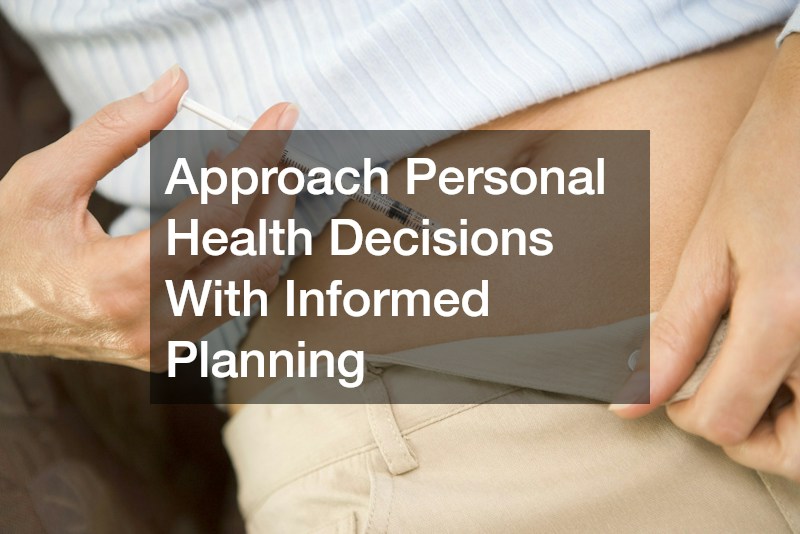
People may encounter specialized wellness or medical services while considering changes in their personal lives. Pshots, for example, can raise questions that should be addressed through informed discussions with qualified healthcare professionals rather than casual recommendations or assumptions.
Before considering any specialized procedure, individuals should understand why they are interested in it and what they hope to accomplish. A healthcare provider can discuss whether a particular approach is appropriate, explain potential considerations, and identify alternatives when relevant. The goal is to make decisions based on accurate information and individual circumstances.
A thoughtful planning process can include:
- Researching the procedure through reliable medical sources.
- Choosing an appropriately qualified healthcare provider.
- Asking about potential benefits and risks.
- Discussing alternatives and expected outcomes.
- Understanding follow-up care and related appointments.
Health decisions should also be separated from pressure created by an upcoming event. Someone preparing for a wedding, vacation, or other milestone may feel motivated to make rapid changes, but healthcare choices still deserve careful consideration. Allowing enough time for consultation and informed decision-making can help people approach personal wellness with realistic expectations.
Choose Event Locations Based on Practical Needs
A memorable celebration depends on more than an attractive setting. When comparing wedding venues, couples should consider how the location will function throughout the entire event, from guest arrival and setup to meals, entertainment, photographs, and departure. The right setting should fit the size and style of the celebration while also accommodating practical requirements.
Creating a list of priorities before visiting locations can make comparisons easier. Couples can separate essential requirements from preferences, which helps them evaluate options consistently instead of becoming focused solely on appearance.
Important questions can include:
- How many guests can the location accommodate comfortably?
- What setup and cleanup responsibilities fall to the couple?
- Are outside vendors permitted?
- What parking and transportation options are available?
- What happens if weather affects an outdoor event?
- Are there restrictions on music, decorations, or event hours?
It is also useful to consider the entire event schedule. A location may need enough time for setup, vendor access, photography, meals, entertainment, and cleanup. Reviewing these details early can reduce scheduling conflicts and help couples understand what their celebration will require before making commitments.
Design Professional Events Around Clear Objectives
Major milestones are not limited to personal celebrations. Professional events can also represent important opportunities for businesses, employees, and organizations. When participating in a trade show or industry gathering, working with trade show booth designers can help businesses think strategically about how their space communicates with attendees.
An effective event presence should begin with clear objectives. A company may want to introduce a product, generate leads, strengthen brand recognition, meet existing contacts, or educate visitors. The design and layout can then support those goals instead of simply filling the available space.
Businesses can prepare by:
- Defining the primary goal of the event.
- Identifying the audience most important to the business.
- Creating clear and concise messaging.
- Planning how visitors will interact with staff.
- Assigning responsibilities before the event begins.
- Establishing a method for following up afterward.
The work should continue after the event ends. Reviewing conversations, leads, questions, and overall participation can help a business determine what was effective and what should change next time. Treating professional events as part of a broader business strategy can make them more productive and easier to manage.
Make Everyday Errands More Efficient

Major celebrations often receive the most attention during planning, but ordinary responsibilities continue in the background. Laundry is a simple example of a recurring task that can become inconvenient when household circumstances change. A coin laundry may be useful for people without convenient access to laundry equipment, those traveling, or households dealing with temporary equipment or housing limitations.
The key to managing recurring errands is creating a routine rather than waiting until the task becomes urgent. Combining laundry with other nearby errands can also make better use of available time.
A practical routine might include:
- Keeping laundry supplies together in one place.
- Setting a regular day or time for laundry.
- Separating items that require special care beforehand.
- Preparing clothing before leaving home.
- Combining laundry trips with other necessary errands.
- Keeping track of items that need to be washed separately.
Planning routine tasks around work, school, appointments, and family activities can reduce last-minute disruptions. Small organizational habits can make ordinary responsibilities easier to manage, particularly during periods when attention is already focused on a major event or transition.
Recognize Achievements With Meaningful Keepsakes
Recognition can add meaning to professional, academic, athletic, community, and family milestones. Crystal awards and trophies can provide a tangible way to commemorate an accomplishment, particularly when an event involves multiple recipients or represents a significant achievement.
Choosing recognition items requires attention to more than appearance. The award should reflect the occasion and include accurate details about the recipient and accomplishment. Personalization should be reviewed carefully before an order is finalized, especially when several awards are being prepared at once.
When planning recognition, consider:
- The significance of the achievement.
- The number of recipients.
- Personalization requirements.
- The desired presentation style.
- The amount of time available for preparation.
- How recipients may display or preserve the award.
Recognition can also become part of a larger event. A ceremony may require a presentation order, remarks, photographs, and time for recipients to receive their awards. Planning those details ahead of time can help the recognition feel intentional rather than rushed.
Keeping records of significant awards can also help families and organizations document important achievements for future reference.
Include Property Responsibilities in Event Planning
The condition of a property can affect how comfortably people use it during a gathering. Pavement maintenance is one example of an ordinary responsibility that may become more noticeable when a property is preparing for a large number of visitors. Driveways, parking areas, walkways, and other paved surfaces can influence access and the overall functionality of an event space.
Property preparation should begin early enough to address concerns without creating conflicts with the event schedule. Waiting until just before a gathering may limit the available options or create unnecessary disruption.
Before a major event, property owners can:
- Inspect driveways and walkways for visible problems.
- Review areas guests are likely to use.
- Consider parking capacity and traffic flow.
- Address maintenance needs well before the event.
- Coordinate property work around scheduled activities.
- Communicate access information with vendors when necessary.
Routine property care also matters between major events. Regular attention can make it easier to identify developing concerns and plan appropriate maintenance. When property responsibilities are incorporated into broader household planning, owners can address practical needs without allowing them to become last-minute obstacles.
Personalize Celebrations With Meaningful Details
Entertainment can have a significant influence on the atmosphere of a celebration. Couples planning a wedding may consider a Missouri wedding band when looking for live music that fits the style of their event and the experience they want to create for guests.
Selecting entertainment should begin with the overall event plan. Couples can think about whether they want music primarily for the reception, whether live performances should accompany other portions of the celebration, and how entertainment will fit alongside meals, speeches, dancing, and other activities.
Useful questions to discuss include:
- What type of music fits the couple’s preferences?
- Does the band provide the necessary equipment?
- What is included in the performance arrangement?
- How will breaks fit into the event schedule?
- What space and electrical requirements are involved?
- How will the entertainment coordinate with other vendors?
Timing is particularly important. The entertainment schedule should account for guest arrival, dinner, speeches, special dances, and other planned moments. Discussing these details in advance can help the event flow naturally while giving the performers enough information to prepare.
Planning life’s milestones and everyday responsibilities does not require managing everything at once. A more practical approach is to identify what needs attention, determine which decisions are most time-sensitive, and create manageable steps for handling each responsibility. By balancing practical preparation with personal priorities, individuals and families can approach both ordinary responsibilities and significant milestones with greater clarity and confidence.
