
Parenting is a complex, rewarding journey filled with moments of joy, challenge, and growth—for both the child and the parent. In today’s fast-paced world, raising happy and resilient children requires more than just meeting basic needs; it demands a thoughtful, holistic approach that nurtures every aspect of a child’s development. From early learning and social experiences to emotional support and health care, each element plays a vital role in shaping a well-rounded, confident individual prepared to navigate life’s ups and downs.
Parents face countless decisions along the way. What kind of educational environment will best support their child’s growth? How can they instill values like empathy and compassion? What resources are available to help their children overcome challenges, whether academic, social, or emotional? Addressing these questions thoughtfully helps parents build a strong foundation that promotes long-term well-being.
Today’s parents also have access to a wide range of specialized programs and services designed to support their children’s unique needs. Early childhood education programs lay the groundwork for cognitive and social skills, while a childrens private school offers tailored environments to meet diverse learning styles. Summer activities provide opportunities for growth beyond the classroom, and support services like therapists and pediatric care ensure that physical and emotional health are prioritized.
Creative parenting involves balancing all these factors in a way that respects each child’s individuality. It encourages exploration, builds resilience, and fosters independence while emphasizing connection and empathy. This comprehensive approach helps children feel valued and understood, equipping them with the tools to thrive in an ever-changing world.
This article explores the many facets of holistic creative parenting, guiding families through crucial topics such as education choices, health and wellness, emotional support, and social responsibility. By weaving together these elements, parents can nurture happy, resilient children who grow into capable, compassionate adults.
Building a Strong Foundation in the Early Years
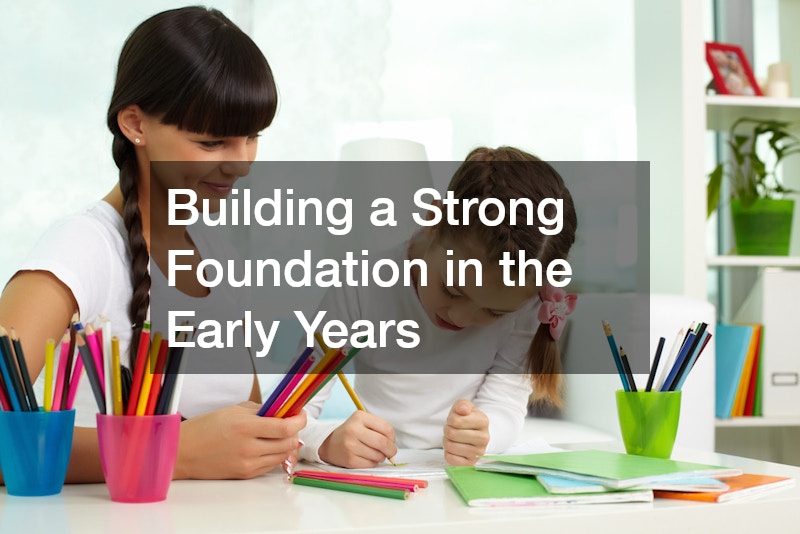
The early years of a child’s life are foundational to their future success and happiness. During this critical period, children develop essential skills in language, motor function, social interaction, and emotional regulation. Providing enriching early childhood education experiences fosters curiosity, creativity, and a love of learning.
High-quality early education programs offer structured environments where children can explore through play and guided activities. These programs emphasize social development alongside cognitive growth, teaching children to communicate, collaborate, and solve problems. Engaging with peers and adults in supportive settings builds confidence and emotional intelligence.
For parents, selecting an early education program means considering factors such as the curriculum’s focus, teacher qualifications, classroom size, and overall philosophy. Programs that encourage hands-on learning and foster individual interests tend to support deeper engagement and better outcomes.
Beyond academics, early childhood education promotes routines and habits that support healthy development. Children learn about cooperation, responsibility, and resilience—skills that lay the groundwork for future challenges.
By investing in strong early education, parents help their children develop a solid foundation that supports lifelong learning and emotional well-being.
Choosing the Right Learning Environment for Your Child
As children grow, the learning environment plays an increasingly significant role in shaping their experiences and success. Many parents explore private school options to find settings that align with their child’s personality, strengths, and educational needs.
A childrens private school often provides smaller class sizes, specialized curricula, and opportunities for individualized attention. These features can benefit children who thrive in structured environments or those needing tailored support. Schools may emphasize academics, arts, athletics, or other areas, giving families options to match their values and goals.
In addition to academics, private schools frequently foster strong community bonds, encouraging social development and leadership skills. Parents appreciate the close communication with teachers and administrators, which supports proactive involvement in their child’s progress.
Choosing the right school requires careful research and visits to understand the culture, teaching methods, and extracurricular opportunities. It’s important to involve children in the decision process when appropriate, helping them feel invested and comfortable.
Ultimately, selecting the ideal learning environment supports both academic growth and personal development, empowering children to reach their full potential.
Encouraging Growth Through Engaging Seasonal Experiences
Learning and growth extend well beyond the classroom walls. Summer camp activities offer valuable opportunities for children to explore new interests, develop friendships, and gain independence in a fun and safe setting.
Camps come in many forms—day camps, overnight camps, sports camps, arts camps, and specialized interest camps—each designed to provide unique experiences. These environments encourage teamwork, resilience, creativity, and problem-solving through hands-on activities.
For parents, enrolling children in summer camps fosters social skills and builds confidence. Camps expose kids to diverse peers and mentors, broadening their perspectives and helping them develop empathy.
Moreover, seasonal activities allow children to unplug from screens and connect with nature, which supports mental and physical health. Experiencing new challenges away from home nurtures adaptability and self-reliance.
Creative parenting values these experiences as a vital complement to formal education, recognizing that growth happens in many environments.
Teaching Compassion and Empathy in Challenging Situations
No family is immune to hardship, and teaching children compassion and empathy is an essential part of raising emotionally intelligent and socially responsible individuals. One way to cultivate these qualities is by helping children understand the challenges faced by homeless kids and other vulnerable populations.
By introducing age-appropriate discussions, volunteering opportunities, or community projects, parents can encourage children to recognize the struggles of others and develop kindness. Such experiences foster gratitude, reduce prejudice, and build a sense of social responsibility.
Creative parenting involves modeling empathy in everyday interactions and encouraging open dialogue about feelings and perspectives. This helps children develop emotional awareness and a caring mindset.
Teaching compassion prepares children not only to be supportive friends and neighbors but also to become active, compassionate members of society.
Supporting Families Through Difficult Transitions
Family dynamics can change unexpectedly due to divorce or separation, posing challenges for children’s emotional stability. Supporting families through difficult transitions requires sensitivity, communication, and a focus on the child’s well-being. It is crucial for parents to create a safe space where children feel heard and understood, helping them process complex emotions. Maintaining consistency in routines and providing reassurance can lessen feelings of uncertainty, allowing children to adapt more smoothly. Open, age-appropriate communication also plays a vital role in alleviating fears and building trust during this vulnerable time.
Divorce mediation offers a structured process to help parents reach agreements with less conflict and stress. This collaborative approach prioritizes the child’s needs, minimizing disruption and fostering respectful co-parenting. By working with neutral mediators, parents can focus on solutions that serve the best interests of their children, reducing the emotional toll on the entire family. Mediation also encourages effective communication and cooperation, which can create a more stable environment for kids post-divorce.
Creative parenting during such times means maintaining routines, providing reassurance, and keeping communication open. It also involves seeking professional support when needed to help children express their feelings and adapt healthily. Encouraging children to voice their concerns and emotions can aid in preventing long-term psychological issues. Parents who model patience and empathy during these transitions foster resilience and emotional security, helping children thrive despite upheaval.
By focusing on stability and emotional support, parents can help children navigate transitions with resilience and hope. This balanced approach strengthens family bonds and equips children with coping skills that serve them well throughout life’s challenges.
Fostering Independence Through Innovative Learning Methods
Montessori programs have gained popularity for their child-centered approach that encourages independence, curiosity, and self-paced learning. These programs provide an environment where children choose activities that interest them within a thoughtfully prepared classroom. This method respects children’s developmental timelines, allowing them to explore concepts deeply and at their own pace, which enhances intrinsic motivation.
This innovative method respects children’s natural development rhythms and promotes hands-on engagement. Children learn practical life skills alongside academics, building confidence and problem-solving abilities. The multi-age classroom setting also encourages peer learning, collaboration, and leadership, further enriching the educational experience. Montessori environments foster creativity and critical thinking by emphasizing exploration and discovery over rote memorization.
For parents, Montessori education aligns with creative parenting values by supporting autonomy and intrinsic motivation. It nurtures a lifelong love of learning and the ability to think critically. The philosophy encourages children to become self-directed learners who take ownership of their education, which fosters responsibility and perseverance.
Choosing Montessori or similar approaches allows families to tailor education to their child’s unique needs and learning style. It also promotes emotional growth by encouraging children to develop patience, focus, and self-discipline in a supportive setting.
Prioritizing Your Child’s Health and Well-Being

A child’s physical health is foundational to their overall development. Regular visits to the pediatric office ensure children meet growth milestones, receive vaccinations, and have illnesses or concerns addressed promptly. Early detection of health issues allows for timely treatment, preventing complications and supporting optimal development.
Pediatricians provide guidance on nutrition, sleep, safety, and developmental progress, empowering parents with knowledge to support their child’s health. They also help families navigate the complexities of childhood illnesses and provide advice tailored to each child’s unique needs. Pediatric care extends beyond physical health to include emotional and behavioral development monitoring, offering a comprehensive approach.
Creative parenting involves partnering with healthcare providers to monitor wellness proactively and make informed decisions about care. This collaboration helps establish healthy routines and preventative care practices that set children on a path to lifelong well-being. Parents who prioritize holistic health understand the importance of both physical and mental wellness in their child’s growth.
Promoting healthy habits from a young age sets children on a path toward balanced, active lives. Teaching children about nutrition, exercise, and self-care early fosters independence and encourages positive lifestyle choices as they grow.
Caring for Your Child’s Smile and Confidence
Dental health plays a crucial role in a child’s overall well-being and self-esteem. Caring for a child’s smile includes regular dental checkups and addressing orthodontic needs such as braces. Preventative dental care reduces the risk of cavities, gum disease, and other oral health issues that can impact general health.
Braces not only improve the appearance of teeth but also correct bite issues that can affect speech, chewing, and jaw development. Though orthodontic treatment can be challenging, supporting children emotionally throughout the process helps build resilience. Open conversations about the process and setting realistic expectations can ease anxieties.
Parents who prioritize dental care demonstrate attention to their child’s comfort and confidence, encouraging positive habits and pride in self-care. Teaching proper brushing and flossing techniques, combined with regular dental visits, empowers children to take responsibility for their oral hygiene. A healthy smile boosts self-esteem and social confidence, which are important aspects of overall development.
Recognizing and Cultivating Unique Talents
Every child has unique talents waiting to be discovered and nurtured. Talent recruitment involves identifying these abilities early and providing opportunities for development in areas like sports, arts, academics, or leadership. Early recognition allows children to build on their strengths and develop a strong sense of identity.
Encouraging participation in clubs, lessons, and competitions helps children build skills and self-confidence. It also teaches discipline, goal-setting, and perseverance. Exposure to diverse experiences enables children to discover new passions and talents they might not have otherwise explored.
Creative parenting celebrates individual strengths and supports children in exploring diverse interests, fostering well-rounded growth. Encouraging children to try new things without fear of failure promotes a growth mindset and resilience. Parents who champion their child’s talents help them cultivate motivation and purpose.
By recognizing talents, parents can guide children toward fulfilling and rewarding pursuits. This guidance encourages lifelong learning and personal satisfaction.
Providing Emotional Support for Holistic Development

Emotional well-being is as important as physical health and academic success. Therapists offer valuable support for children experiencing anxiety, stress, behavioral challenges, or trauma. Professional counseling provides a safe space for children to explore their feelings and develop healthy coping strategies.
Seeking professional help is a sign of strength and care, not weakness. Therapy provides children with tools to understand and regulate emotions, build resilience, and improve relationships. Therapists work with families to create supportive environments that foster healing and growth.
Creative parenting includes recognizing when additional emotional support is needed and advocating for children’s mental health. This proactive approach helps prevent issues from escalating and promotes emotional balance. Open communication between parents, children, and therapists ensures that emotional needs are met with compassion and understanding.
By addressing emotional needs proactively, parents foster holistic development and lifelong well-being. This comprehensive care equips children to face challenges confidently and build fulfilling lives.
Raising happy and resilient children is a multifaceted endeavor that demands attention to every dimension of development—intellectual, emotional, physical, and social. Holistic creative parenting embraces this complexity by combining thoughtful education choices, proactive health care, emotional nurturing, and social awareness into a unified approach that respects each child’s individuality.
This comprehensive, intentional approach equips children not only to face challenges but to thrive in all areas of life. Creative parenting is an evolving journey that balances guidance with freedom, structure with flexibility, and care with independence.
By investing in every aspect of their children’s development, parents raise confident, compassionate, and resilient individuals prepared to succeed in a complex world—true hallmarks of happy and thriving kids.
